Choosing the right data modeling strategy in Flutter depends on project scale: Plain Dart classes for minimal single-screen prototypes, Equatable for value-based equality in Bloc/Riverpod states, and Freezed with json_serializable for robust immutable models with copyWith, pattern matching, and union types.
- Freezed provides type-safe copyWith, immutability, and JSON serialization out of the box.
- Equatable simplifies value equality comparison without code-generation overhead.
- Always handle null safety, default fallbacks, and ISO-8601 date parsing in fromJson factory methods.
- Separate API DTO models from domain entities in production Clean Architecture.
When working with Flutter, choosing the right model type is crucial for structuring data effectively. Whether you’re fetching API responses, handling local storage, or managing UI state, the right model ensures clean, maintainable, and efficient code.
So, how many model types do we have in Flutter? And which one should you use? Let’s break down the four most common model types!
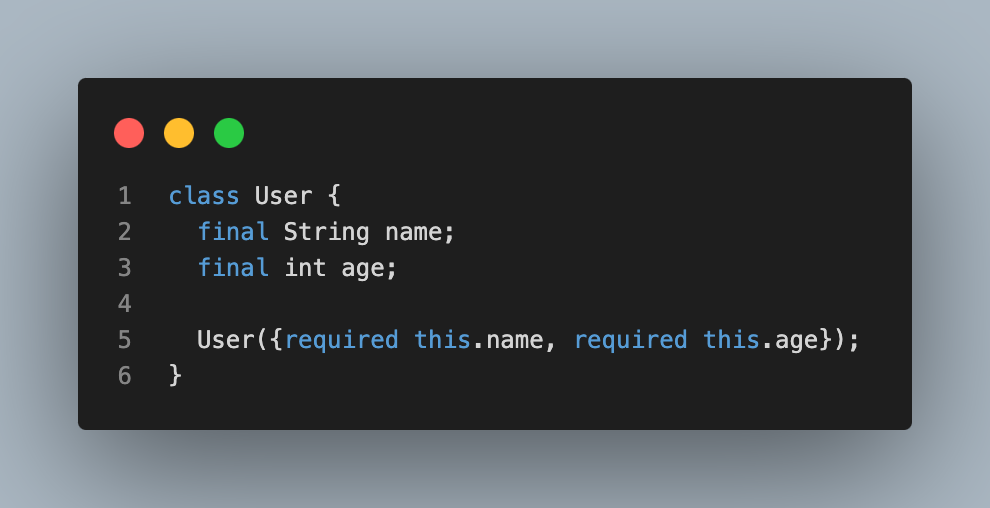
1. Plain Dart Model (POJO – Plain Old Dart Object)
A simple class with properties and constructors. It does not contain any JSON parsing or external dependencies.
- Use Case: Basic data representation, local state management, mockup items.
- Pros: Lightweight, fast to create, zero dependencies.
- Cons: No serialization/deserialization out of the box, manual conversions required when connecting to databases or APIs.
Example of a Plain Old Dart Object:
2. JSON Model (Using fromJson and toJson)
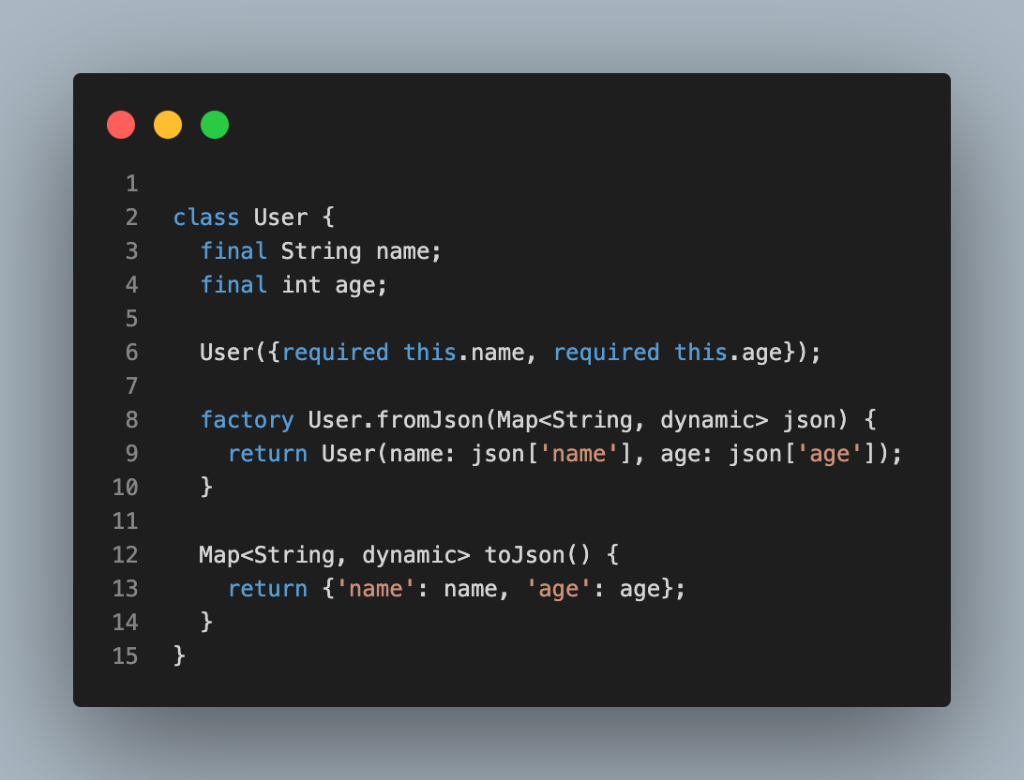
A class that includes manual parsing factories and serialization maps to parse JSON responses from backend services.
- Use Case: When dealing with REST APIs and simple network payloads.
- Pros: Structured serialization & deserialization, zero external code-generation dependencies.
- Cons: Hand-writing
fromJsonandtoJsonis error-prone and time-consuming for large models, unless you use generators likejson_serializable.
Example of a JSON Model with manual parsing:
3. Freezed Model (Immutable & Auto-generated)
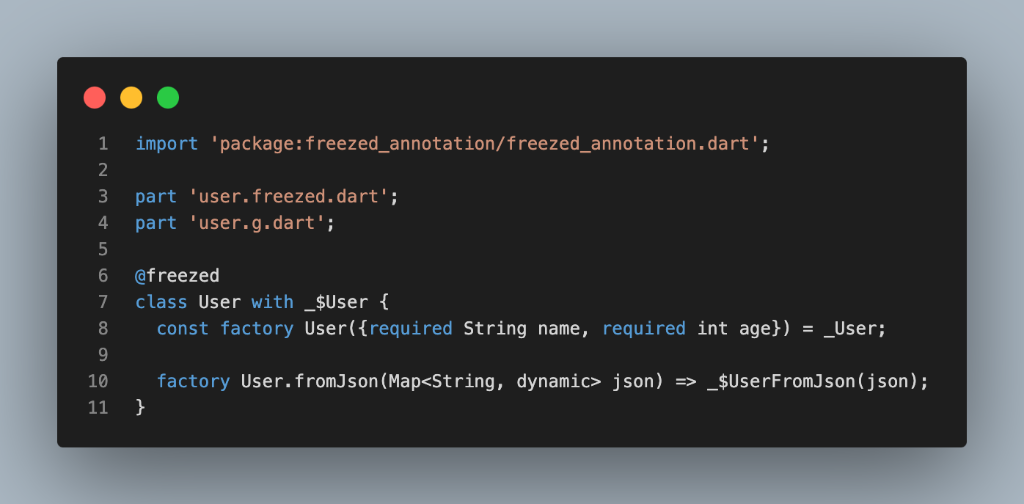
A powerful code-generator based model system using the freezed and json_serializable packages.
- Use Case: When working with immutable state management (like Riverpod or BLoC), deep nested configurations, and API structures.
- Pros: Removes boilerplate, automatically creates copyWith/toString/equality operators, enforces immutability, supports union classes and pattern matching.
- Cons: Requires running code generation commands (
dart run build_runner build) which can slow down build speeds in massive codebases.
Why use Freezed?
- Auto-generates constructors & properties.
- Supports
copyWithfor non-destructive state mutations. - Deep equality comparisons out of the box.
- Integrates seamlessly with advanced state management solutions.
Example of a Freezed model definition:
4. Equatable Model (Value Equality & Less Boilerplate)
A model that extends the Equatable package to override value comparison, allowing objects to be compared by their properties rather than their reference address in memory.
- Use Case: When using BLoC/Cubit state management to verify state transitions and prevent redundant UI rebuilds.
- Pros: Prevents unnecessary UI repaints, removes manual
==andhashCodeoverrides. - Cons: Requires extending a base class (Equatable) and maintaining a list of properties in the
propsgetter.
Model Types Comparison
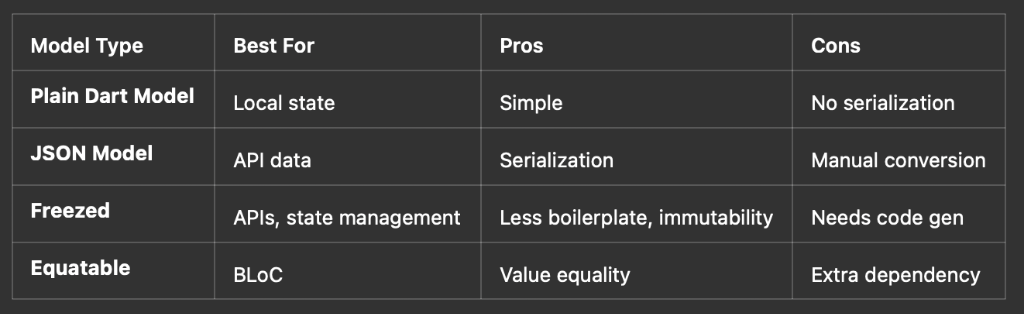
Which One Should You Use?
- For REST APIs? Use Freezed or JSON models to parse network payloads safely.
- For State Management? Use Freezed (especially with Riverpod/StateNotifier) or Equatable (with BLoC) to manage object equality and stream updates cleanly.
- For Local Layout Data? Use Plain Dart models to avoid dependencies when no serialization or value comparisons are needed.
Special thanks to Ubaid Ullah and MUHAMMAD UZAIR for their support and insights on mobile architectures!

Afaq is a mobile product engineer with 4+ years of experience shipping production Flutter applications, 120fps graphics architectures, and AI model integrations across iOS and Android.
Flutter MVP Development →
Type-safe data modeling and robust API client integration.
TourVista - LLM Structured Model Parsing →
Explore real production architecture and benchmarked results for this stack.