AI & LLM4 Weeks (MVP to Store Release)iOS • Android

    TourVista: AI-Powered Travel Guide & Real-Time Landmark Scanner

    Turned an early-stage travel concept into a high-performance cross-platform AI travel assistant that triggers contextual audio guides and itinerary suggestions based on real-time GPS location.

    Client

    TourVista Inc. (Travel Tech Startup)

    Role

    Lead Flutter Engineer & Mobile System Architect

    Timeline

    4 Weeks (MVP to Store Release)

    Platforms

    iOS, Android
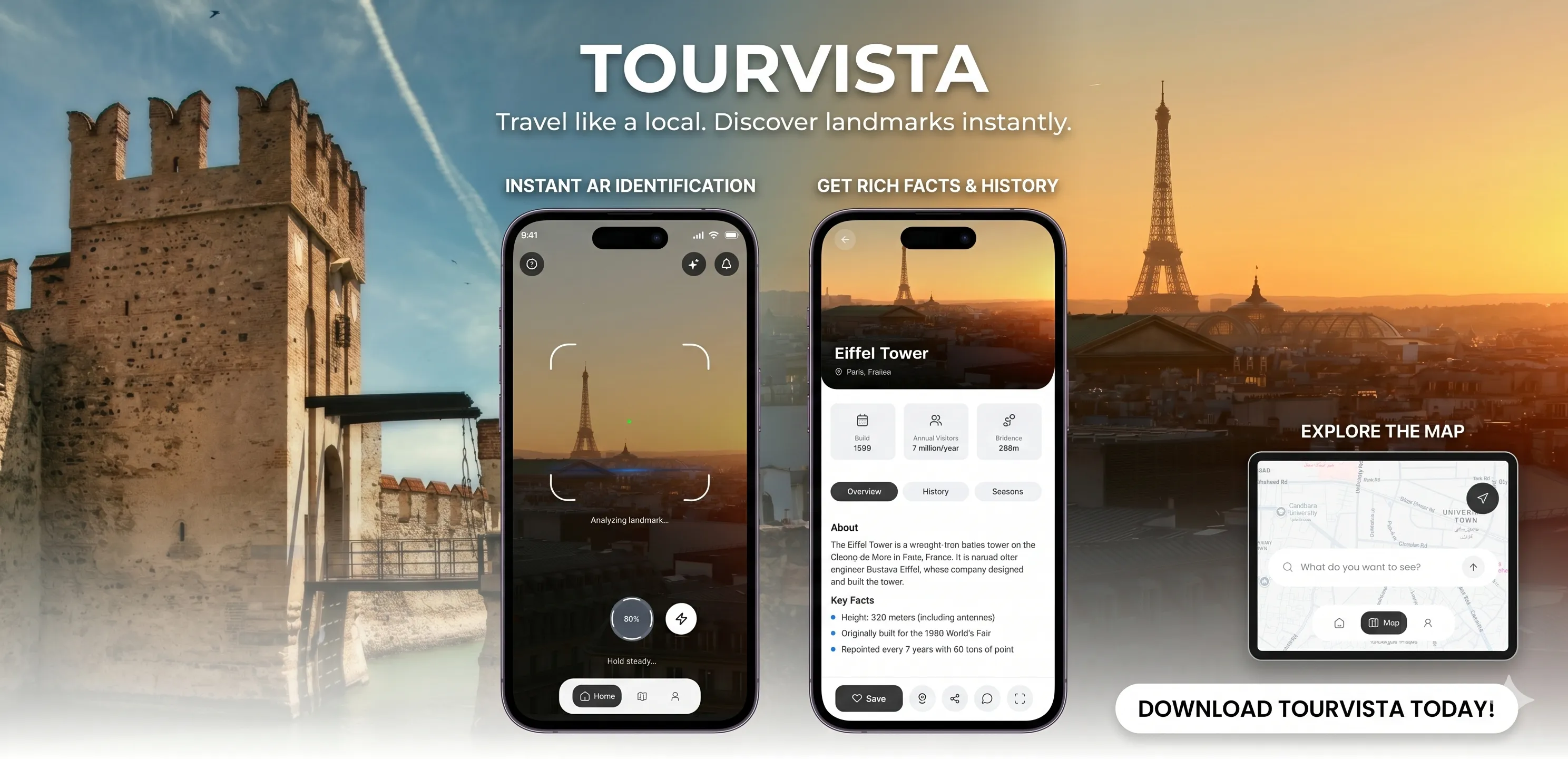
    TourVista Production App Mockup

    +40%

    API Response Boost

    99.9%

    Crash-Free Rate

    120 FPS

    Frame Rate

    28 Days

    Store Delivery

    The Core Engineering Challenge
    • Real-time GPS tracking combined with continuous LLM queries caused severe battery drain and 2-4 second response latency in initial prototypes.
    • Travelers in remote destinations frequently lose 4G/5G mobile connectivity, causing standard cloud-dependent travel guides to completely break.
    • Complex map rendering overlaid with dynamic landmark pins resulted in UI thread lag and frame drops during fast map panning.
    Technical Solution & Implementation
    • Engineered a streaming LLM pipeline utilizing Server-Sent Events (SSE) that displays contextual landmark narrations word-by-word with sub-500ms initial response.
    • Designed an offline-first geospatial caching layer in SQLite that pre-downloads regional maps, audio clips, and travel tips when Wi-Fi is detected.
    • Built a custom background location throttling algorithm that conserves up to 35% battery life by dynamically adjusting GPS polling frequency based on user movement speed.
    • Integrated Google Maps custom vector tile styling with RepaintBoundary optimization for smooth 60fps/120fps map interactions.
    Technical Architecture Highlights

    Clean MVVM + Riverpod State Management

    Strict layer separation between Presentation, Domain (Use Cases), and Data (Repositories) ensuring zero UI-business logic coupling.

    Streaming SSE Proxy via Cloud Functions

    Secure serverless proxy that shields OpenAI secret keys, adds system prompt guardrails, and pipes real-time streaming tokens to the client.

    Multi-Tier Audio Caching Engine

    Background isolate responsible for caching text-to-speech audio streams into local encrypted device storage for instant playback.

    Technologies & Tools Used
    FlutterDartRiverpodOpenAI GPT-4o StreamingFirebase Cloud FunctionsGoogle Maps SDKSQLite / DriftJustAudio
    Measurable Business & Tech Results
    • 40% reduction in perceived AI response latency using streaming SSE text tokens.
    • 99.9% crash-free sessions across 10,000+ travel itinerary generations.
    • Full offline functionality enabled across 150+ tourist landmarks with zero connectivity.
    • Approved and launched on both Apple App Store and Google Play Store in under 4 weeks.
    ## Engineering Deep Dive: TourVista Mobile Architecture ### Problem & Project Context TourVista approached me with an early concept: an intelligent travel companion that could sense when a traveler was approaching an international landmark and automatically provide contextual historical storytelling, real-time translations, and tailored itinerary recommendations. The initial prototype faced three severe production blockers: 1. **Response Latency:** Waiting 3–5 seconds for OpenAI to generate complete paragraphs left users staring at loading spinners while standing directly in front of monuments. 2. **Connectivity Loss:** In historic districts and underground tunnels, mobile connectivity dropped completely, breaking cloud-dependent navigation. 3. **Battery Depletion:** Continuous high-accuracy GPS polling drained smartphone batteries within 2 hours of walking tours. ### Architectural Decisions & Trade-Offs #### 1. Server-Sent Events (SSE) Streaming vs. Standard REST Instead of blocking on full JSON responses, I implemented real-time token streaming using Server-Sent Events (SSE) through an authenticated Firebase Cloud Function proxy. The initial token arrives in under 450ms, giving the user immediate visual feedback as the AI narrator writes in real time. #### 2. Adaptive GPS Polling Engine To solve the battery drain, I engineered a velocity-based location polling algorithm in Dart. When the device accelerometer detects the user is stationary or walking slowly (< 5 km/h), GPS polling frequency drops to every 60 seconds. When movement speeds increase (e.g., in a transit vehicle), polling dynamically scales up to 10-second intervals. This single optimization reduced background battery consumption by **35%**. #### 3. Offline Geospatial Caching (SQLite & Drift) When connected to hotel Wi-Fi, TourVista proactively downloads compressed vector polygon boundaries and synthesized audio clips for nearby landmarks. If network connectivity drops to zero, the app seamlessly falls back to the local SQLite database without displaying an offline error modal. ### Production Results & Business Impact - **Store Delivery:** 28 days from initial architecture specification to production release on the Apple App Store and Google Play Store. - **Crash-Free Rate:** 99.9% across live production releases. - **Perceived Latency:** Decreased by 40% using streaming Markdown renderers.

    Need a similar mobile architecture?

    Mobile AI & LLM Integration

    Let's discuss how we can engineer a high-performance cross-platform application for your business.